
Centro Storico
Two walks from Piazza Castello
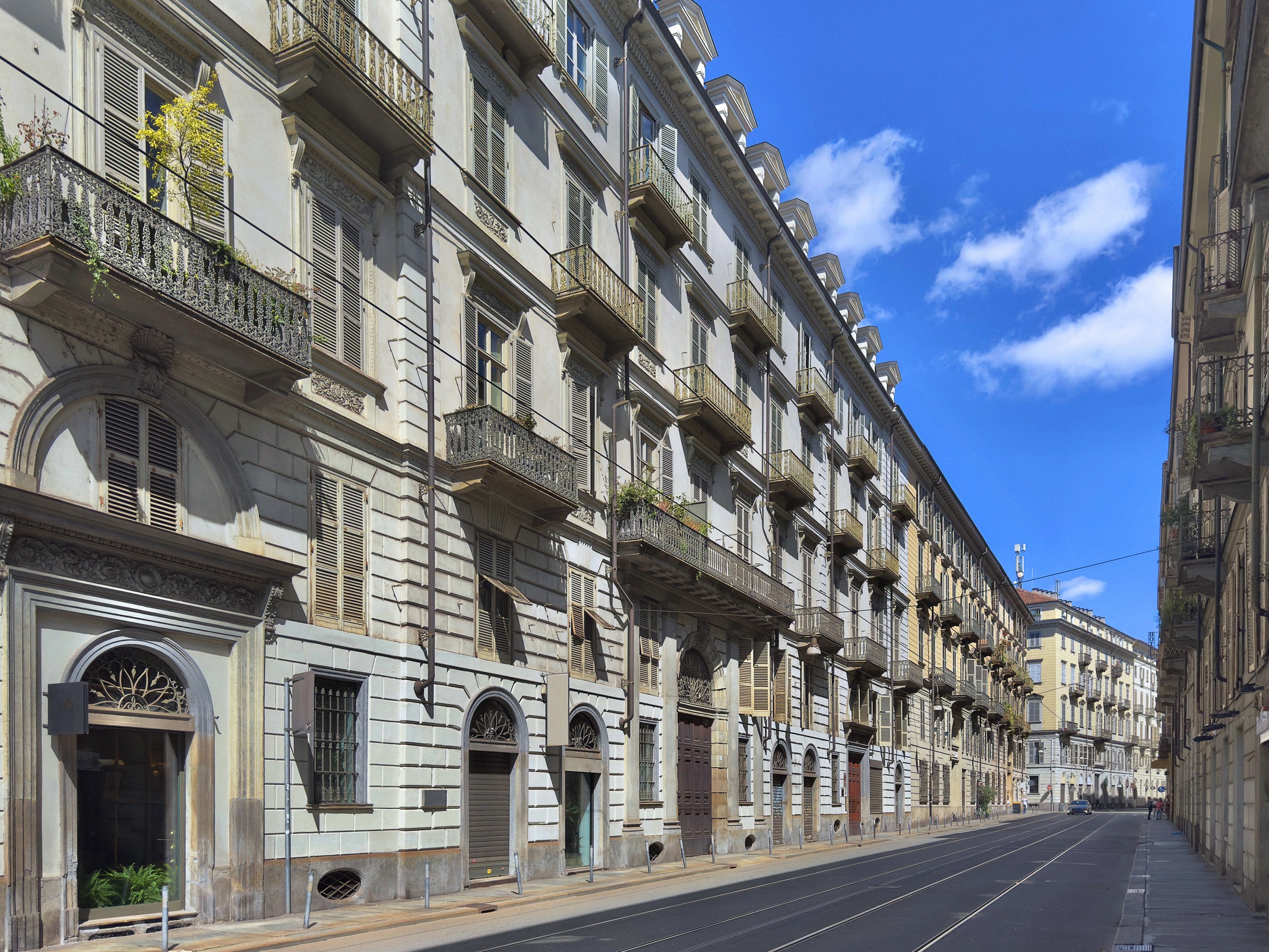
The centre around Piazza Castello has Via Roma, Via Po and Via Pietro Micca as its main axes, arcades along long stretches and, on the Po, Piazza Vittorio Veneto.
Contents
Piazza Castello
Piazza Castello is the starting point for two connected walks: south and east through the Savoy city, or west into the Quadrilatero Romano. Arcades frame the square, with Palazzo Madama in the middle. Its medieval rear and towers contrast with Juvarra's Baroque façade, showing how the palace grew over the Roman east gate.
To the north, Piazzetta Reale opens towards the Palazzo Reale. The main Musei Reali entrance is at Piazzetta Reale 1; the complex includes the Royal Armoury, Galleria Sabauda and Cappella della Sindone. A second entrance is at Piazza San Giovanni 2 beside the cathedral. Palazzo Madama has its own entrance and ticket. San Lorenzo stands to the north-west, the Galleria Subalpina to the south-east and Torre Littoria to the south-west.
Via Garibaldi heads west into the Roman street grid; Via Roma runs south past Piazza San Carlo to Porta Nuova. Via Po leads south-east under arcades to Piazza Vittorio Veneto and the river. The diagonal Via Pietro Micca joins Via Cernaia towards Porta Susa. Walk from Porta Nuova along Via Roma, or from Porta Susa along Via Cernaia and Via Pietro Micca. Buses and trams provide other ways to reach the square.
Visiting the Teatro Regio
The Teatro Regio stands on the east side. The original opera house opened in 1740 to plans by Benedetto Alfieri and burned down in 1936. Carlo Mollino's replacement opened in 1973. One-hour tours run on Saturdays at 15:00 and 16:30 and Sundays at 11:00, except on public holidays or when events prevent access. Depending on theatre activity, they take in the foyer, auditorium and working areas. Regular tours are in Italian; groups of eleven or more and tours in other languages need a separate reservation. Tickets are available online and at the theatre box office, where tours meet. Sales for each month begin on the Monday before its first tour.
The Savoy city: Via Roma and Via Po
Follow Via Roma's arcades south to Piazza San Carlo. Laid out between 1618 and 1638, its twin churches and historic cafés earned it the name “Salotto di Torino”. Via Roma began as Via Nuova in 1584; most of its present arcaded buildings date from 1931-1937. Galleria San Federico and Via Maria Vittoria lead towards the Museo Egizio and Palazzo Carignano. Allow extra time for a museum visit: the Egizio requires an online ticket even for free admission.
Back at Piazza Castello, take Via Po towards the river. Designed by Amedeo di Castellamonte, it opened in 1674. The north-side arcades cross the side streets too, giving a long sheltered walk past the historic university building to Piazza Vittorio Veneto. Its surrounding buildings date from 1825-1831. A detour along Via Montebello reaches the Mole Antonelliana.
Across Ponte Vittorio Emanuele I stands the Gran Madre di Dio, with the climb to Monte dei Cappuccini behind it. End the walk at Piazza Vittorio Veneto or extend it across the river. Historic cafés provide stops on Piazza San Carlo and between Piazza Castello and Via Po.
Quadrilatero Romano
The Quadrilatero Romano is the western part of the Centro Storico, where the Roman grid remains visible. Via Garibaldi follows the Decumanus maximus; Via San Tommaso and Via Porta Palatina follow the Cardo maximus. From Piazza Castello, walk past the cathedral to Porta Palatina, then along Via Porta Palatina through Piazza IV Marzo to Piazza Palazzo di Città. Return along Via Garibaldi, or detour north to Porta Palazzo and the Consolata.
Porta Palatina and the Roman theatre
Porta Palatina stands on Piazza Cesare Augusto. Two sixteen-sided towers flank the gateways; the central section and right-hand tower are Roman, with later additions shaping the present appearance. The Caesar and Augustus statues are modern copies. You can see the gate and outdoor surroundings on a walk. The nearby Roman theatre belongs to the Musei Reali archaeological area, where the museum ticket and opening hours apply. Seeing the ruins from outside does not give access to the museum route.
Via Garibaldi and Piazza Palazzo di Città
Via Porta Palatina and Piazza IV Marzo lead to Piazza Palazzo di Città. Here stand the 17th-century Palazzo Civico and Pelagio Palagi's monument to the Conte Verde. Benedetto Alfieri designed the arcades in 1756. The Roman forum is thought to have occupied this area and neighbouring Piazza Corpus Domini.
Pedestrianised since 1979, Via Garibaldi links Piazza Castello and Piazza Statuto, passing SS. Trinità, Santi Martiri and San Dalmazzo. West of the town hall, the lanes lead to San Domenico with its Gothic Cappella delle Grazie, Piazza Savoia and Palazzo Barolo. MAO in Palazzo Mazzonis and the Museo della Sindone are also in the district.
Consolata, the market and evening stops
Via Milano leads north to Porta Palazzo market on Piazza della Repubblica. Visit in the morning for the stalls. To its west is the Santuario della Consolata, opposite Caffè Al Bicerin. The base of a Roman corner tower survives behind the church at Via della Consolata and Via Giulio.
Piazza IV Marzo and Piazza Emanuele Filiberto have places for an evening aperitivo. Return along Via Garibaldi to Piazza Castello. For another nightlife district, San Salvario lies south of Porta Nuova. When choosing accommodation, compare station access with a location in the old-town lanes.
Around Centro Storico
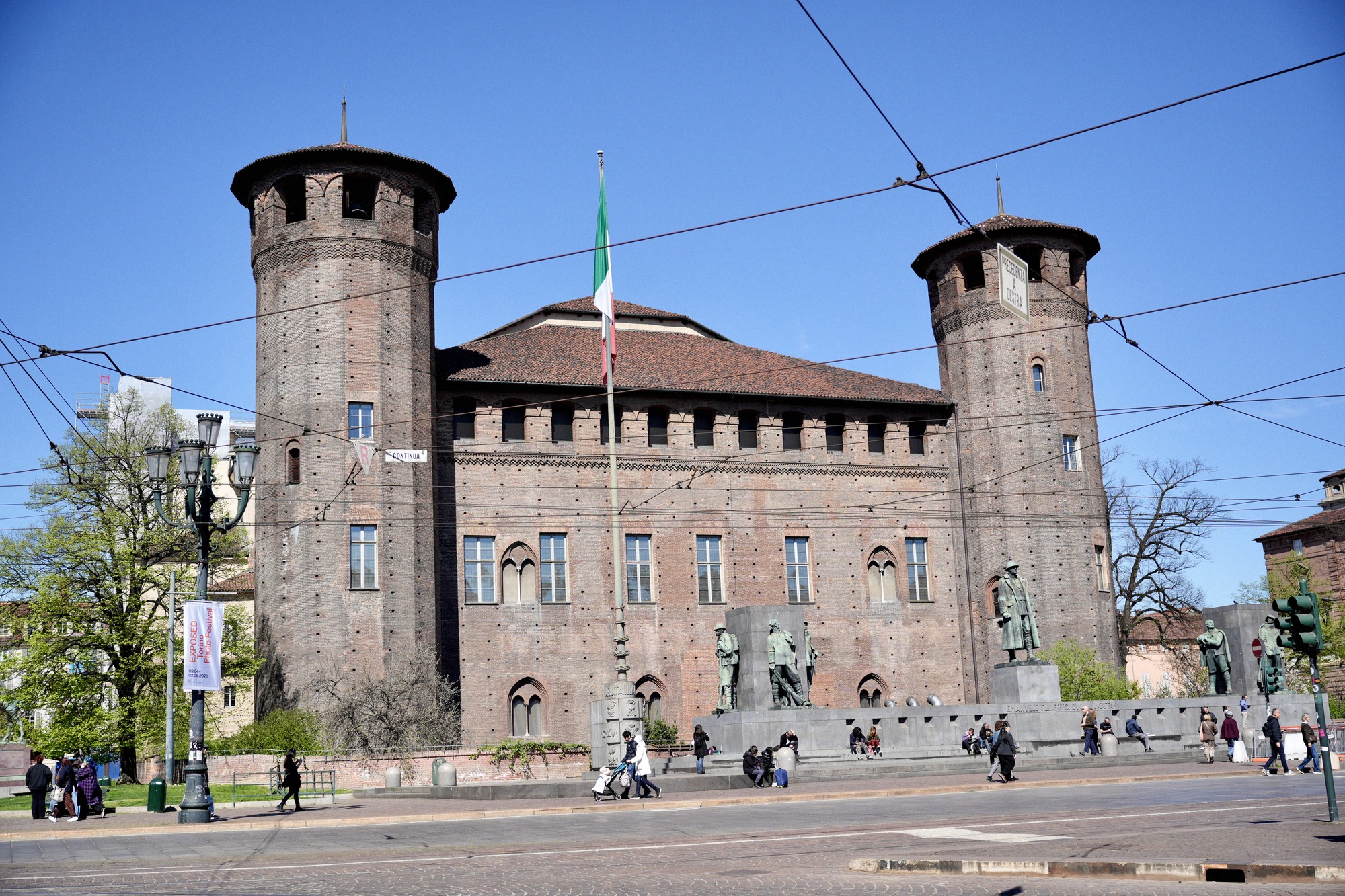
Palazzo Madama
Palazzo Madama stands in the middle of Piazza Castello. It joins a medieval fortress built over a Roman gate to Juvarra's Baroque facade and houses the Museo Civico d'Arte Antica.
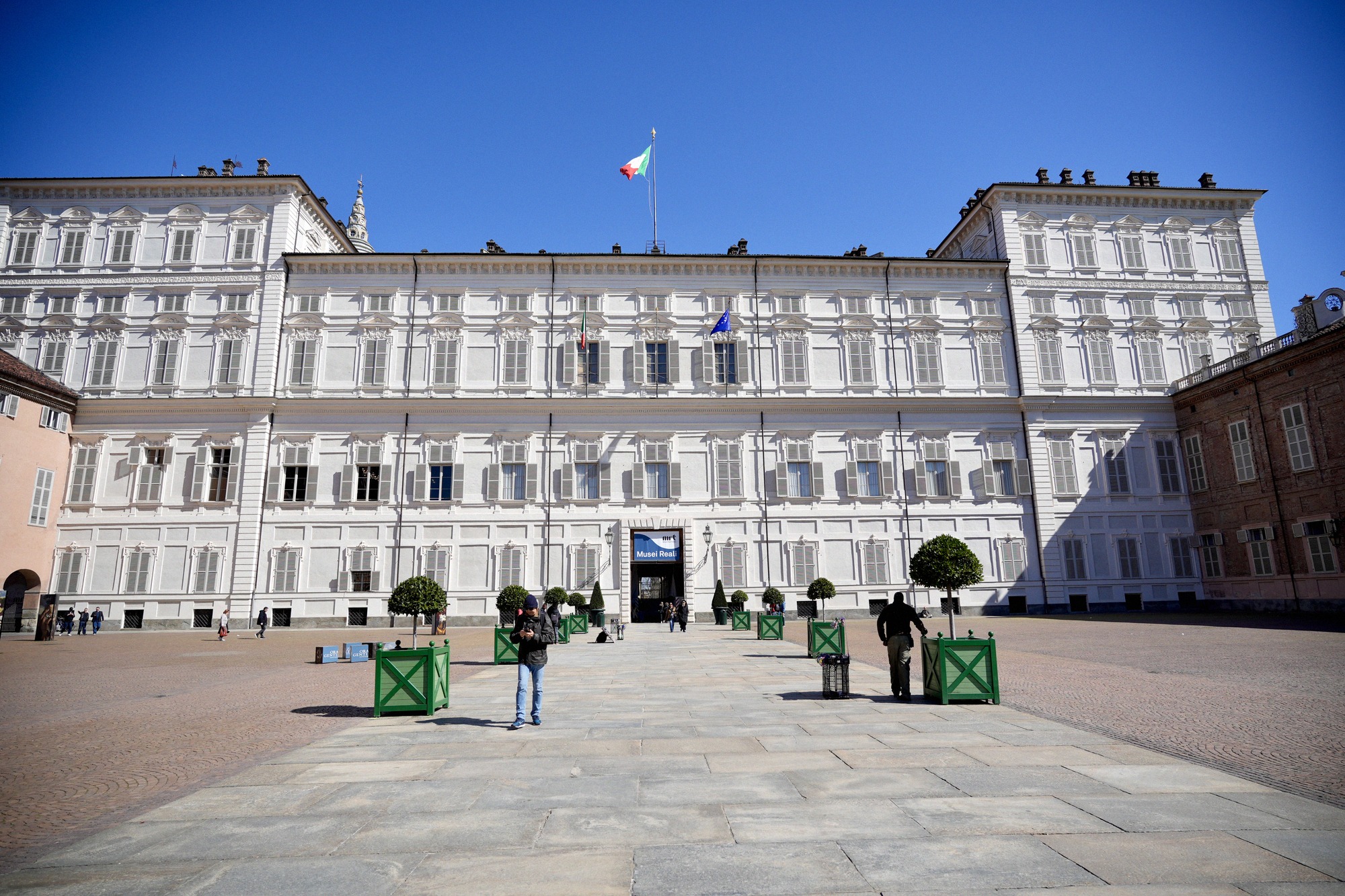
Palazzo Reale
The Palazzo Reale was the residence of the House of Savoy. One ticket covers the state rooms, Royal Armoury, Galleria Sabauda and a section of the Museum of Antiquities, and includes the Cappella della Sindone.
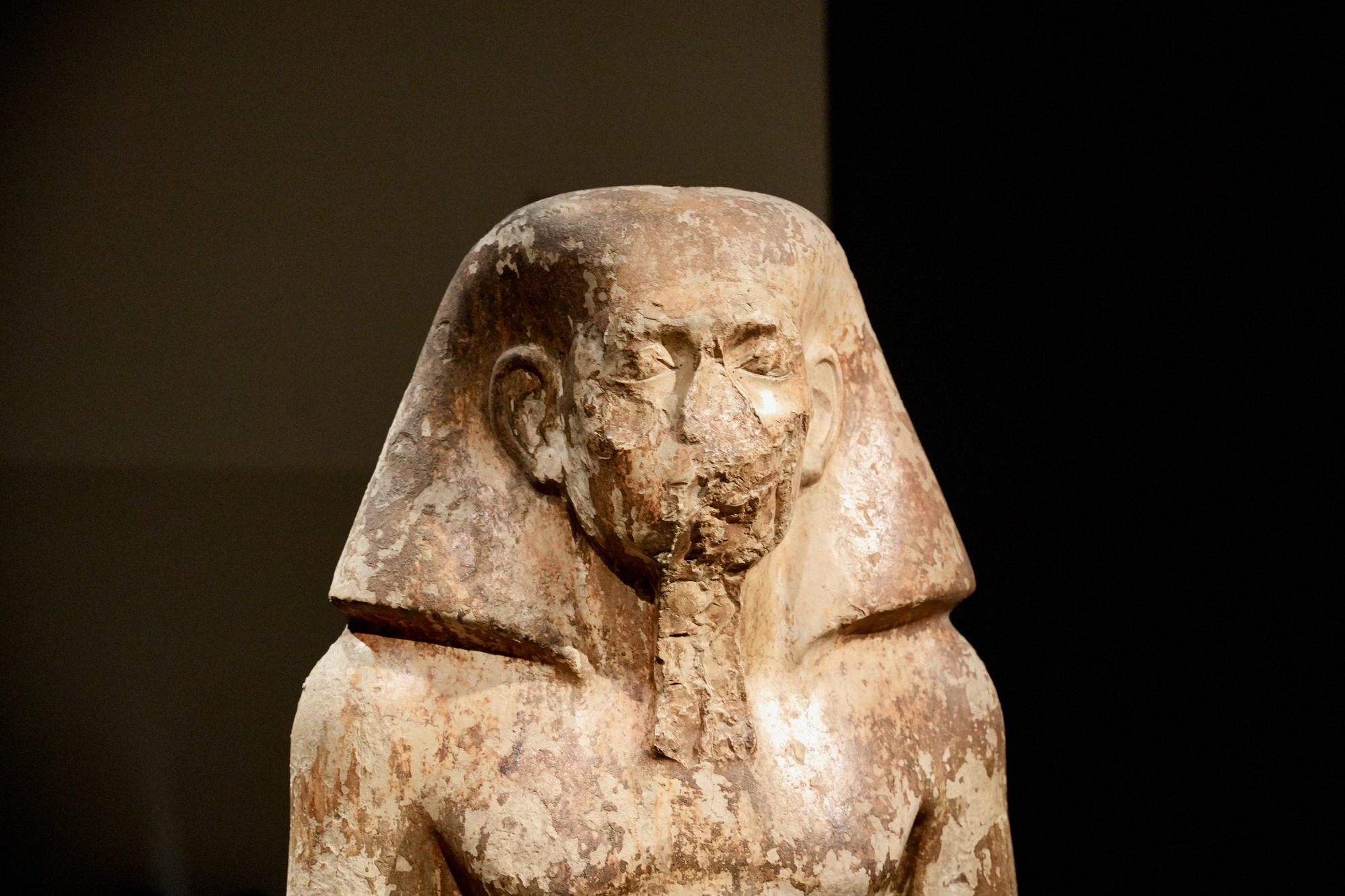
Egyptian Museum Turin
The Museo Egizio shows the Gallery of Kings with Ramesses II, the tomb of Kha and Merit and the rock temple of Ellesiya. Entry only with an online ticket, shorter hours on Mondays.
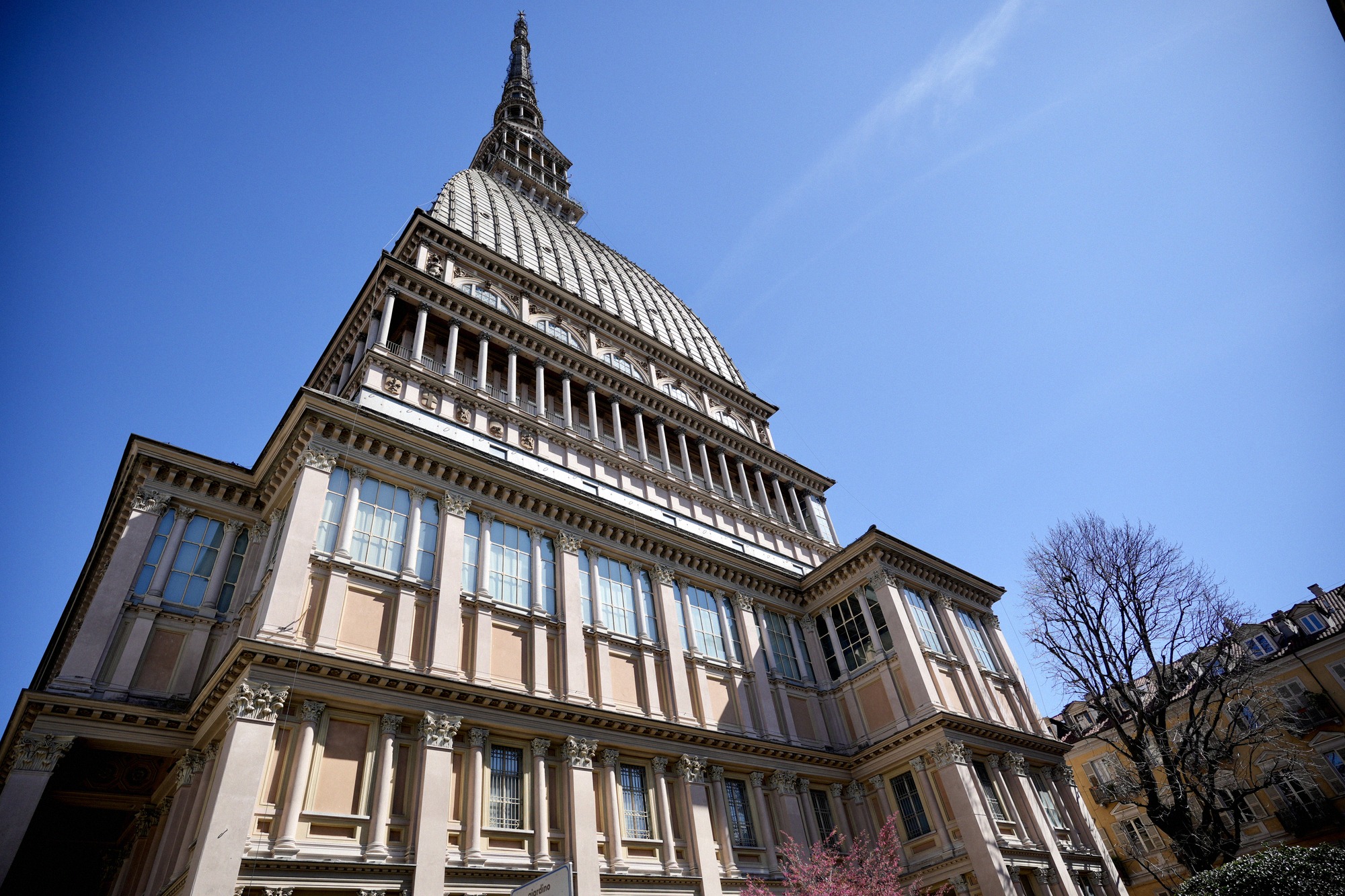
Mole Antonelliana
The Mole houses the National Cinema Museum; a panoramic lift rises through the museum to the terrace at 85 metres. Closed on Tuesdays, with special hours over Christmas.