
Food & Drink
Overview
Turin's cooking is Piedmontese: veal, egg noodles, bagna cauda and grissini, with red wines from the surrounding hills and cafés that are in part over 200 years old.
The cooking of Piedmont relies on veal, egg noodles, sauces and seasonal vegetables. In Turin you find its classics on the menus of trattorias and restaurants.
A Piedmontese meal has four courses: starter, first course, main dish and dessert. The starters include vitello tonnato, carne cruda, acciughe al verde and vegetable flan. Vitello tonnato is thinly sliced veal in a sauce of tuna, egg yolk, anchovies and capers. The first courses are agnolotti del plin and tajarin: small filled pasta, usually with a roast sauce, and very thin egg noodles, often with butter and white Alba truffle.
Veal is at the centre of the main courses, with sauces such as bagnet verd or salsa rubra. Bollito misto is a mix of boiled meats served with salsa verde. Bagna cauda is a hot sauce of garlic, anchovies and oil, into which you dip seasonal vegetables. Fritto misto alla piemontese comes savoury with meat and vegetables and sweet with pastries and fruit. It is a classic of the colder months. Desserts often bring hazelnut, cocoa or seasonal fruit to the plate, for example bonèt, a spoon dessert with amaretti and cocoa.
Grissini originated in Turin. Tradition dates them to 1679, when the court baker Antonio Brunero baked them for the future King Vittorio Amedeo II on the instructions of the physician Teobaldo Pecchio. The oldest shape is called rubatà, hand-formed and knotty.
The red wines of Piedmont go with these dishes: Barbera, Nebbiolo, Barolo and Barbaresco are regarded as the four best known. With desserts people drink Moscato d'Asti or Asti.
You do not have to take every course. Ask for the seasonal dishes, since bagna cauda and fritto misto belong to the colder season. At Tre Galline, Via Bellezia 37, only dinner is served from Monday to Friday, lunch is added on Saturdays, and from October to May on Sundays too. The menu includes Torinese ravioli, vitello tonnato, finanziera and bunet.
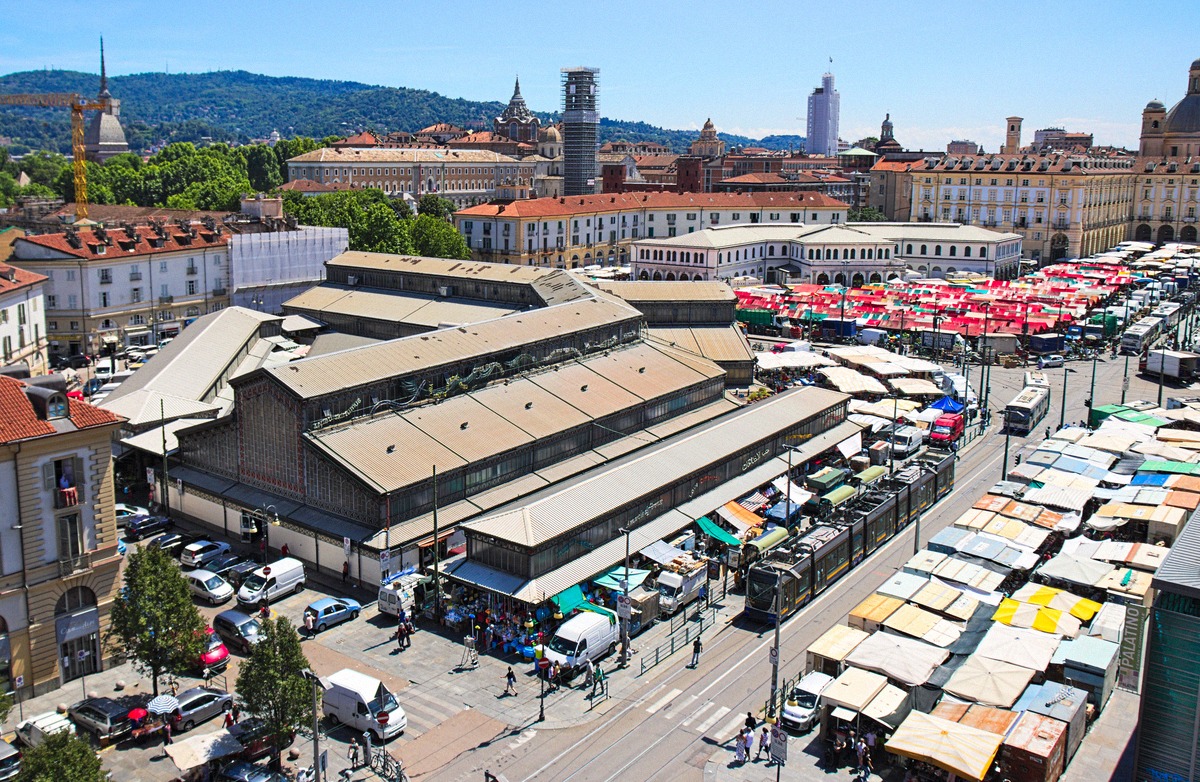
Fresh ingredients are on sale at the Mercato di Porta Palazzo, where stalls, street traders and the Mercato Centrale lie side by side. Eataly Torino Lingotto on Via Ermanno Fenoglietti is open daily from 8:00-23:00 and combines shops with eating: Pizza & Cucina, Cucine del Mercato, Spazio Vino, Caffè Vergnano and the Agrigelateria San Pè. You can book for Pizza & Cucina, Cucine del Mercato and Spazio Vino. There are also cooking courses and tastings.
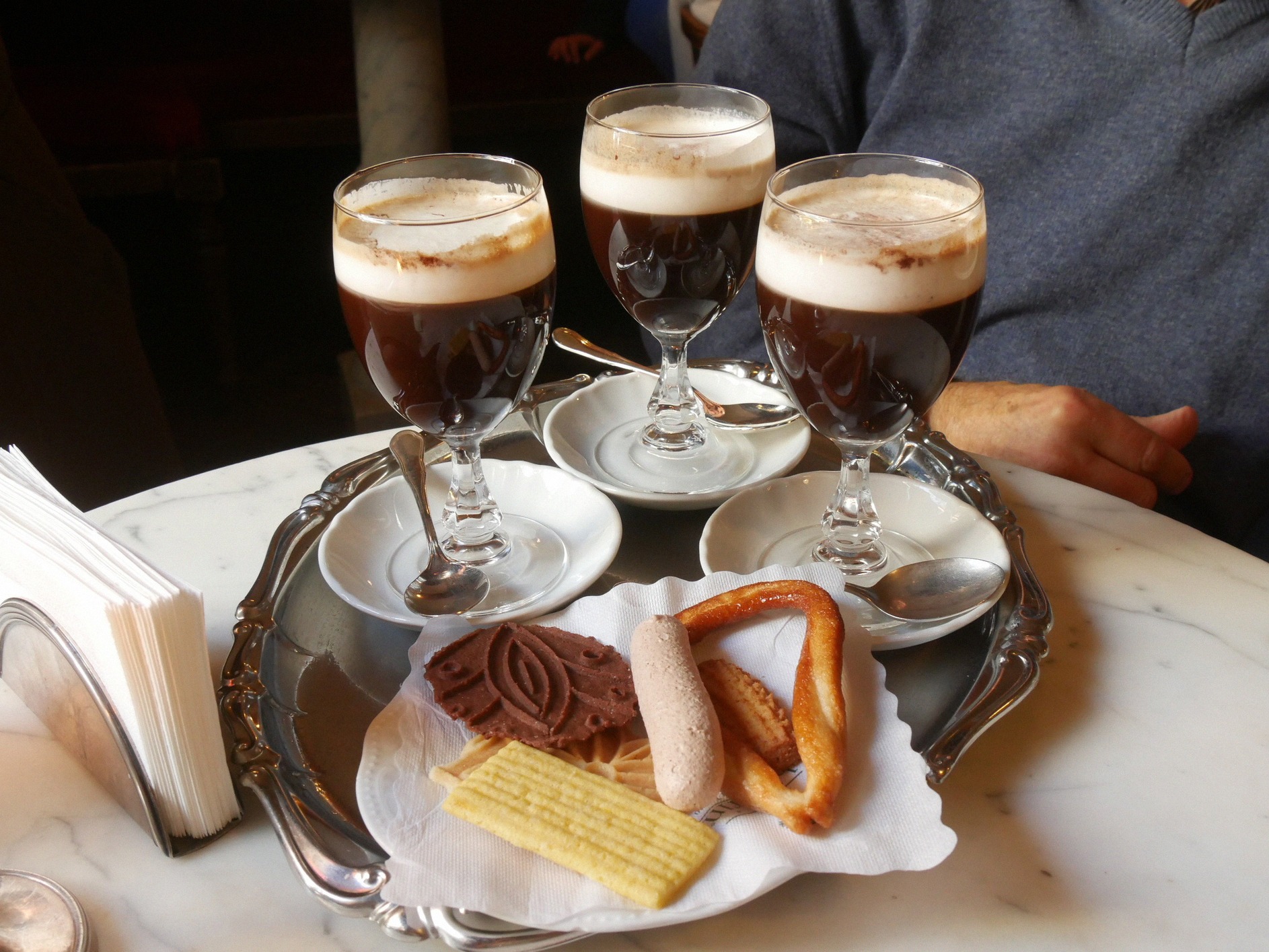
The bicerin of coffee, drinking chocolate and milk cream comes from Caffè Al Bicerin. The modern aperitivo is considered to have originated in Turin in 1786. Al Bicerin, Caffè Torino, Caffè San Carlo, Baratti & Milano, Mulassano and Fiorio, with their history, closing days and opening hours, are in the overview of the historic cafés and aperitivo.