
Santuario della Consolata
Marian shrine by Guarini and Juvarra
The Santuario della Consolata is Turin's Marian shrine: Guarini's hexagon, Juvarra's high altar, a Romanesque tower and a venerated icon.
Contents
What the Consolata stands for
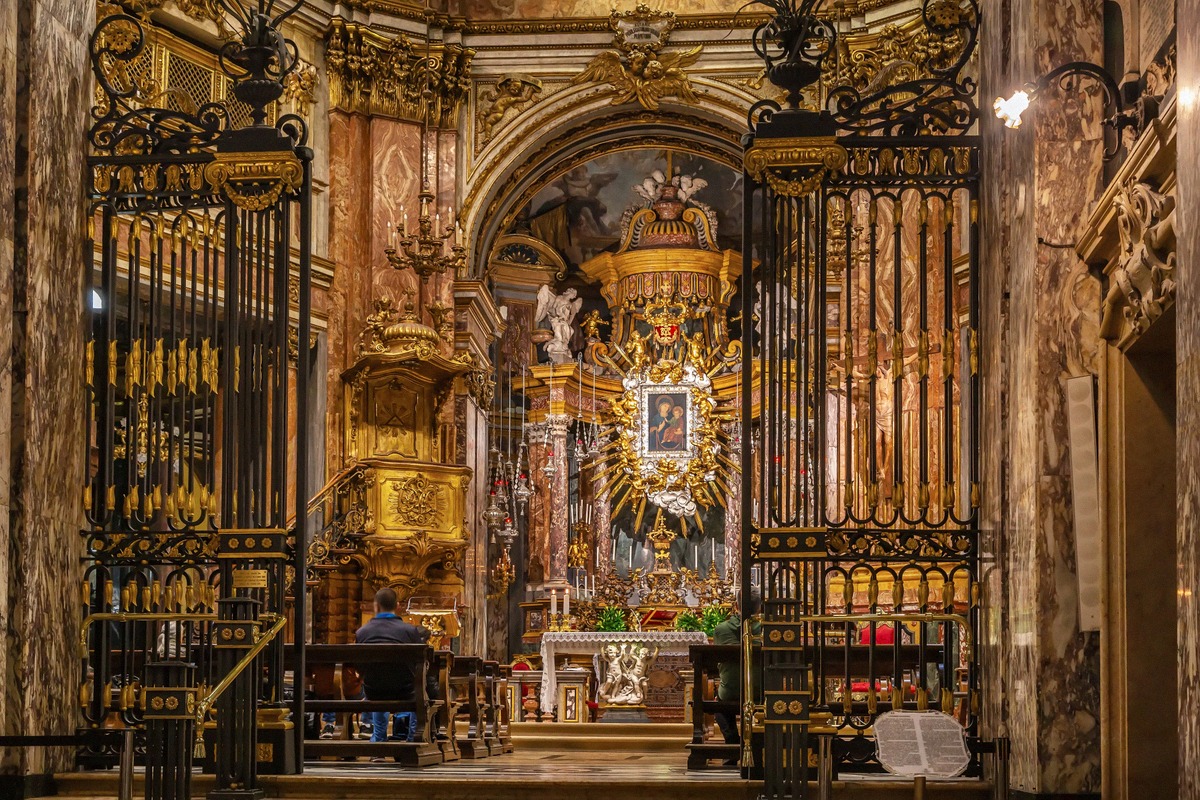
The Santuario della Consolata is Turin's Marian church and a minor basilica. At its centre is a painting of the Madonna, a copy of the Madonna del Popolo in Rome, and the inscription "Sancta Maria de Populo de Urbe" names the original. According to legend, a blind man from Briançon regained his sight in front of the image on 20 June 1104. 20 June is still the feast of the Consolata, with a procession in the evening. During the siege of 1706 pillars bearing her image stood around the city, and in 1714 she was named patron saint of Turin.
From the tower to Guarini's hexagon
The shrine stands in the Quadrilatero Romano, and the guided route begins underground: there lie foundations of the Roman street grid and remains of the old church of Sant'Andrea. The bell tower dates from that period. It is 40 metres high, built in the second half of the 11th century and the only Romanesque building in Turin. You can only climb it in small groups, by arrangement with the Amici della Consolata.
Guarino Guarini began the Baroque rebuilding in 1678. Its core is the "esagono guariniano", a hexagon fronted by a grille given by the Marchese di Barolo. The Real Chiesa di San Lorenzo is also Guarini's work. Between 1729 and 1740 Filippo Juvarra designed the presbytery and high altar, which carries the icon and the tabernacle. The neoclassical porch with its pronaos dates from 1860, and between 1899 and 1904 Carlo Ceppi added four pointed-arch chapels and two coretti. Below the sanctuary the Cappella delle Grazie forms the crypt. On 13 August 1943 an air raid damaged the ceilings and stucco.
Votive offerings: what you see today
Votive offerings no longer hang together in one place. The corridor of the crucifix leads to the Galleria degli Ex-voto, created in the late 19th century when one side of the cloister was closed off. Confessionals stand there now. Painted and three-dimensional ex-votos hang in many other places around the shrine, though there were more in the past. Outside on the square, a column on the Via della Consolata, erected in 1835, also commemorates a thanksgiving after the cholera.
Opening, Masses and tours
The sanctuary opens at 7:45, stays open all day and closes after the last evening service. On weekdays Mass is at 8, 9, 10:30, 12, 18 and 19, though the 19:00 Mass is dropped on Saturdays, before public holidays and in summer. On Sundays and public holidays Mass is at 8:30, 10, 11:30, 16 (not in July and August), 18 and 19:30. The rosary is said daily at 17:30. Please do not walk around during services, and plan your visit between them.
Volunteers give free tours of the shrine, also in other languages. Individuals will find them at a table to the right just inside the entrance, and groups book beforehand by email or phone.
Getting there and Bicerin
From Porta Nuova, bus 52 runs on weekdays and bus 67 on public holidays. Trams 3 and 16 stop on Corso Regina Margherita, and the XVIII Dicembre metro station is near Porta Susa. The Café Al Bicerin, founded in 1763, is on Piazza della Consolata. How its drink came about is covered on the page Historic cafés and aperitivo.
Frequently asked questions
Are there guided tours of the Consolata? +
Where are the votive paintings of the Consolata? +
Can you climb the Romanesque bell tower? +
How do you get to the Consolata? +
Nearby
Mercato di Porta Palazzo
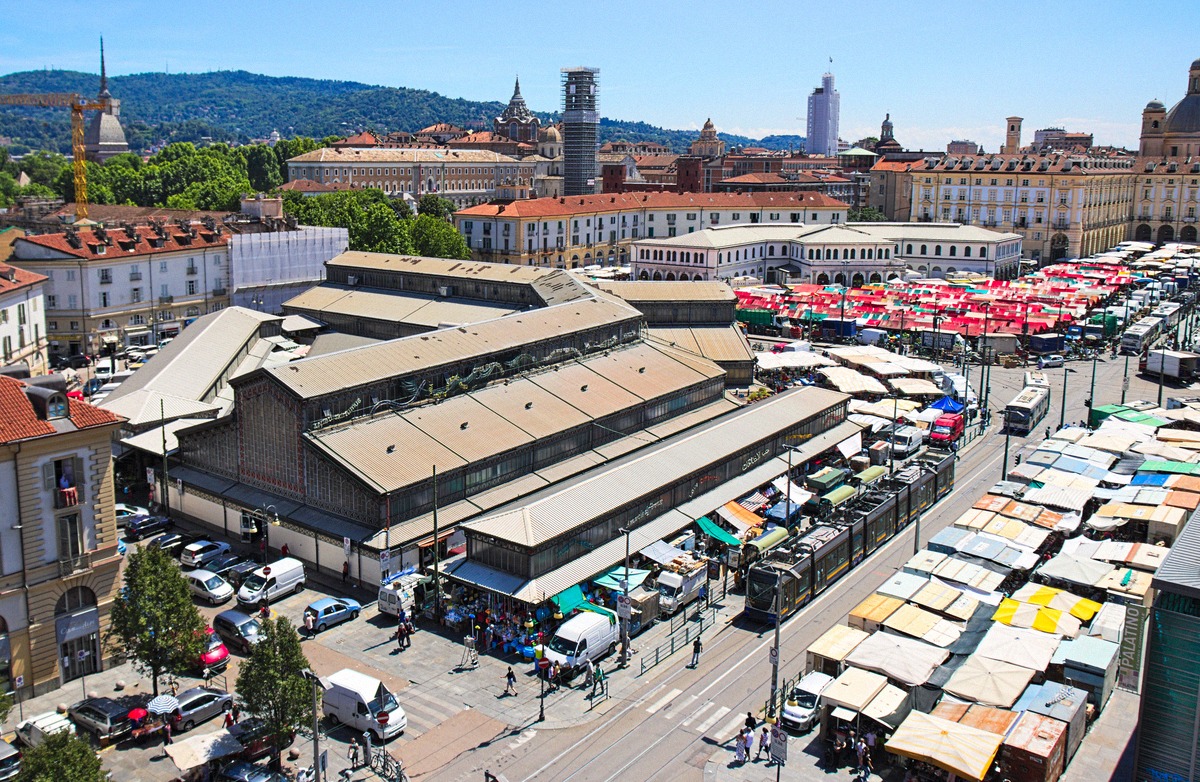
The Mercato di Porta Palazzo on Piazza della Repubblica is described as the largest open-air market in Europe. The Balon flea market and the Mercato Centrale are next door.
Turin Cathedral
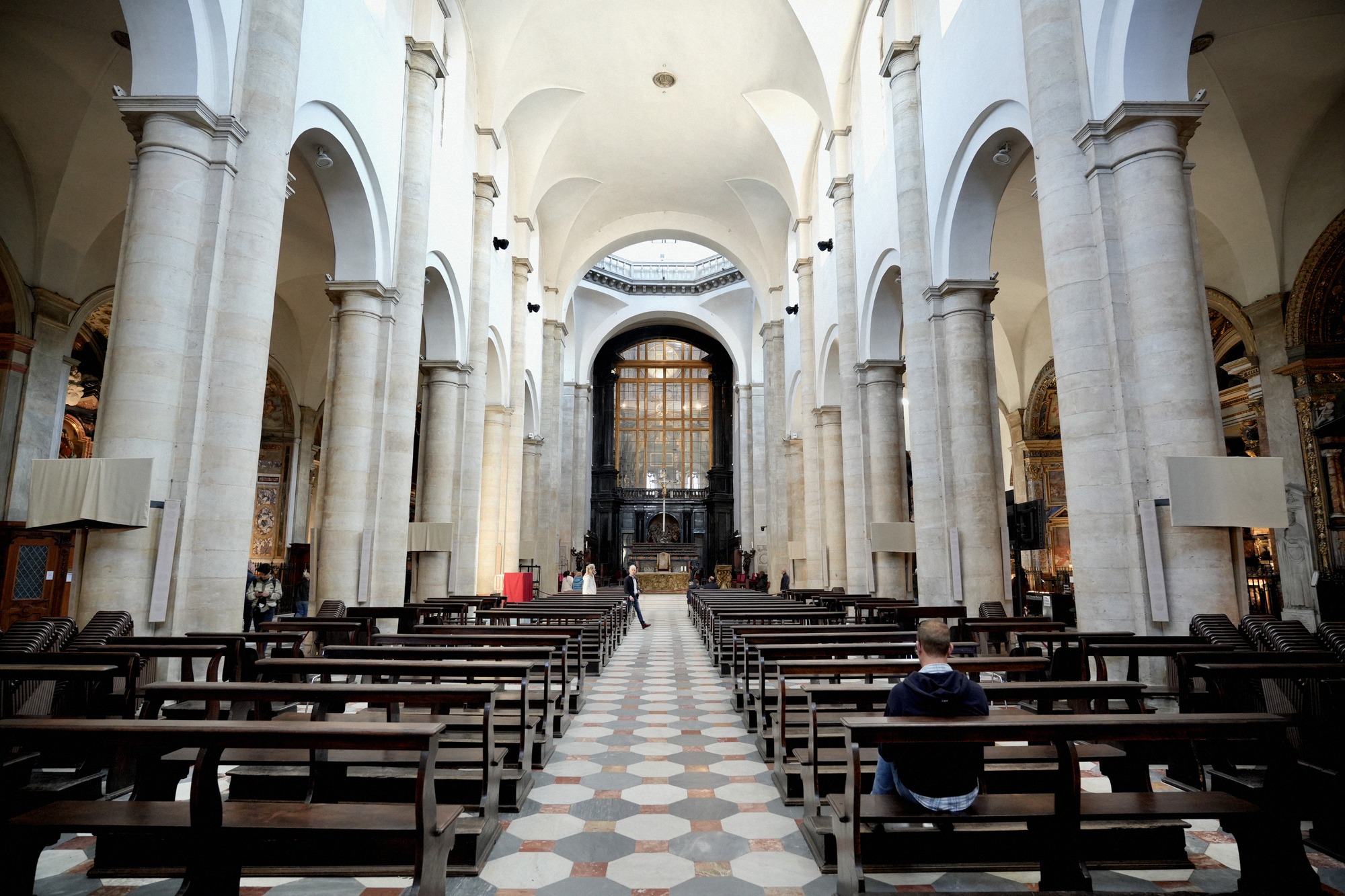
Turin Cathedral is the Cattedrale di San Giovanni Battista from the late 15th century. The Holy Shroud lies in a chapel of the left aisle.
Palazzo Reale
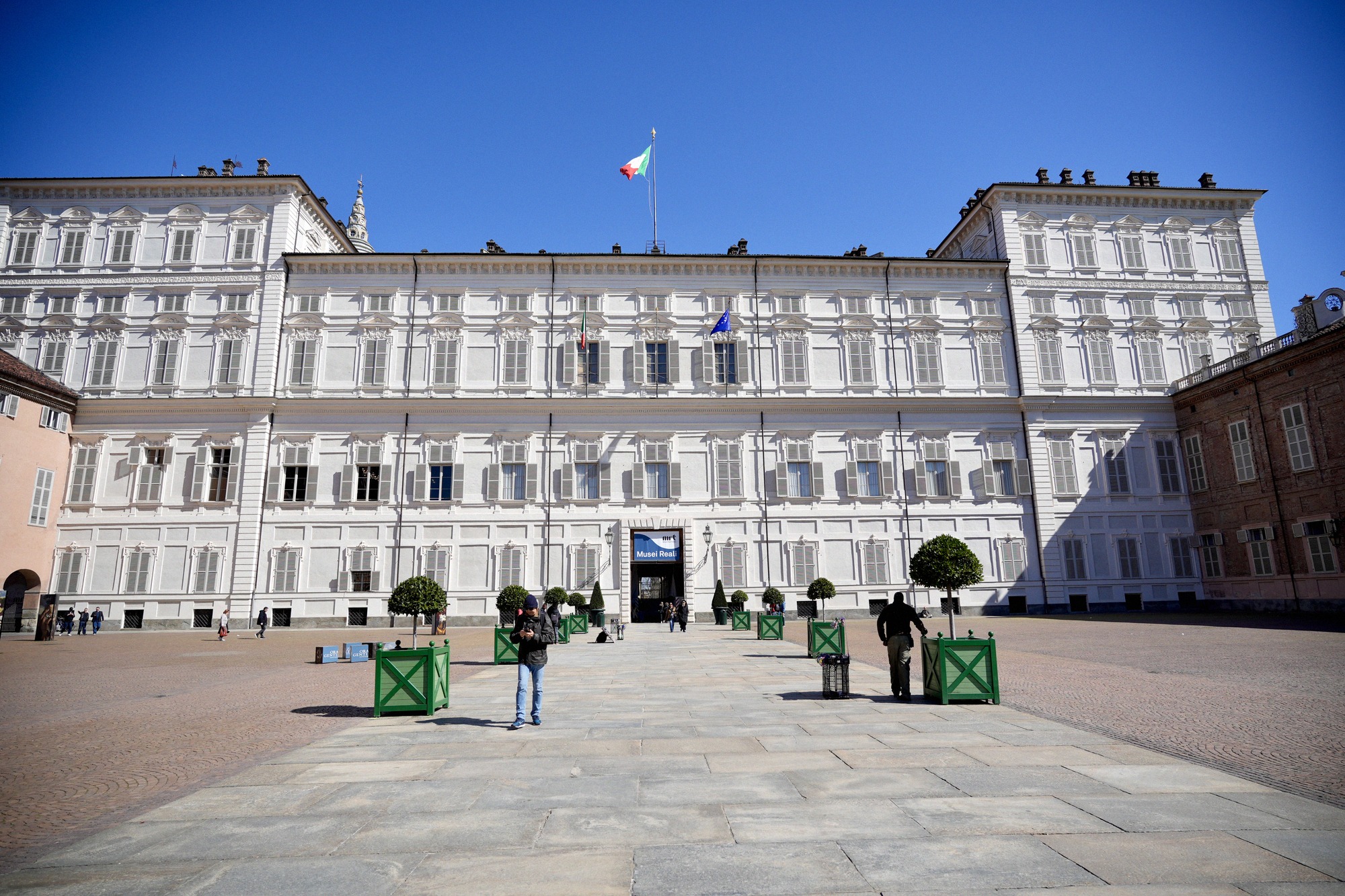
The Palazzo Reale was the residence of the House of Savoy. One ticket covers the state rooms, Royal Armoury, Galleria Sabauda and a section of the Museum of Antiquities, and includes the Cappella della Sindone.
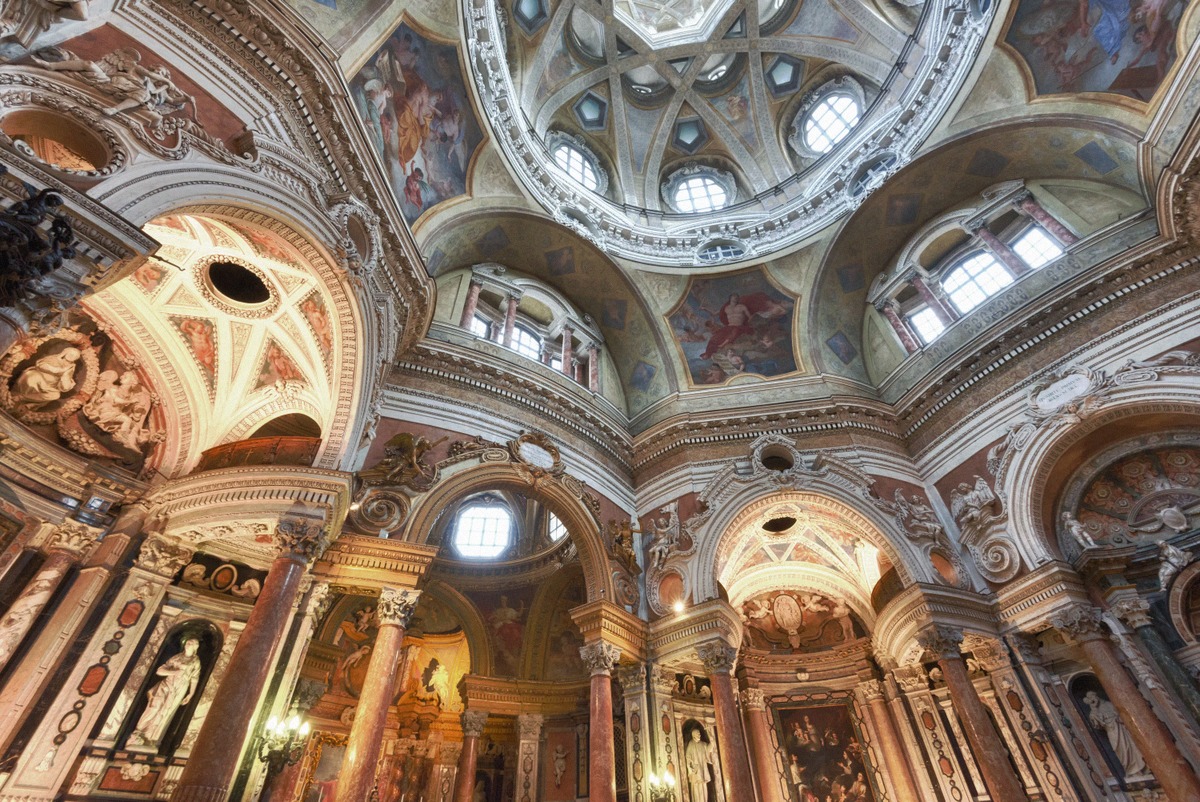
San Lorenzo
The Real Chiesa di San Lorenzo on Piazza Castello has a dome by Guarino Guarini in which eight pairs of crossing ribs form a star.
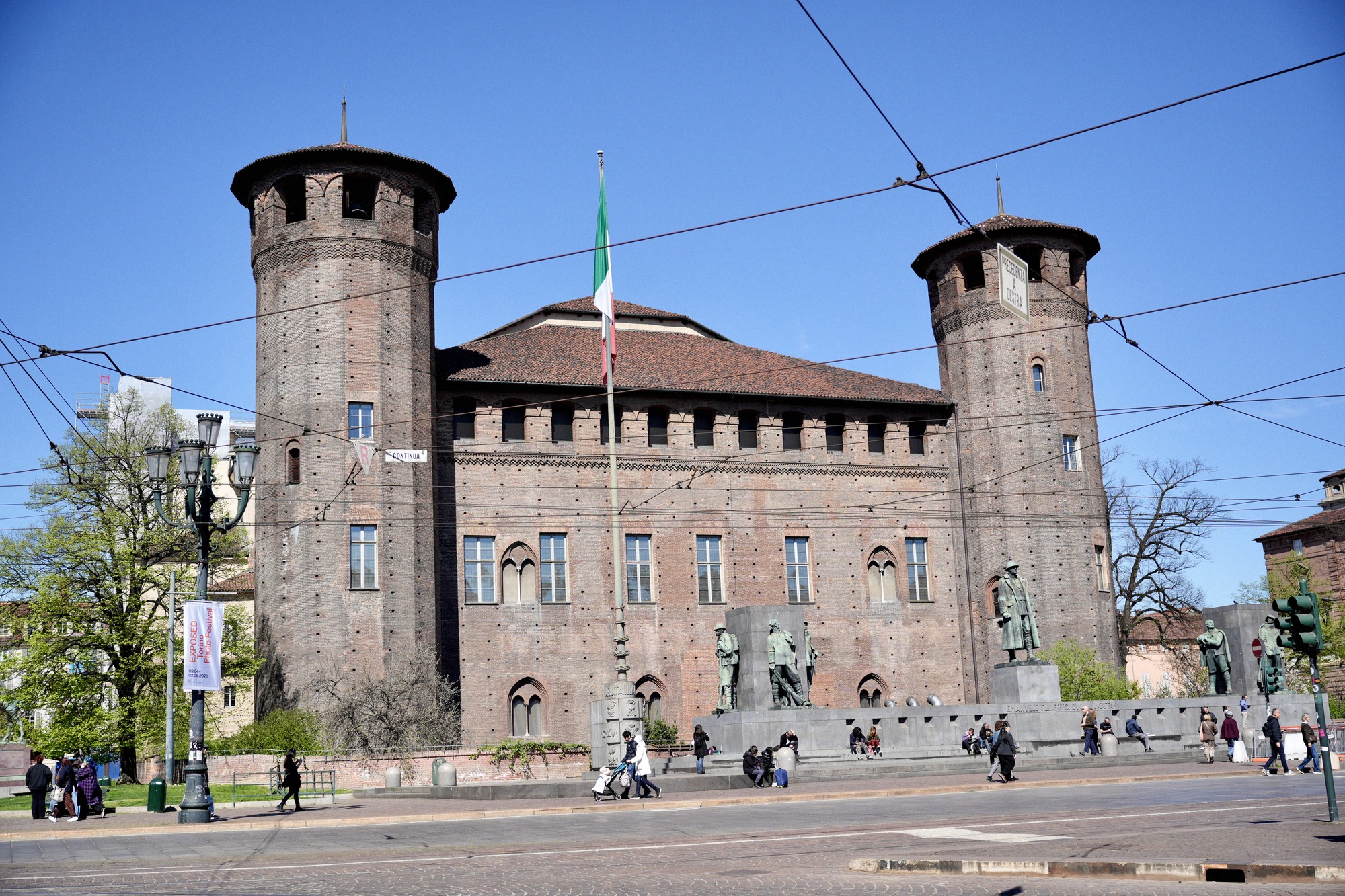
Palazzo Madama
Palazzo Madama stands in the middle of Piazza Castello. It joins a medieval fortress built over a Roman gate to Juvarra's Baroque facade and houses the Museo Civico d'Arte Antica.
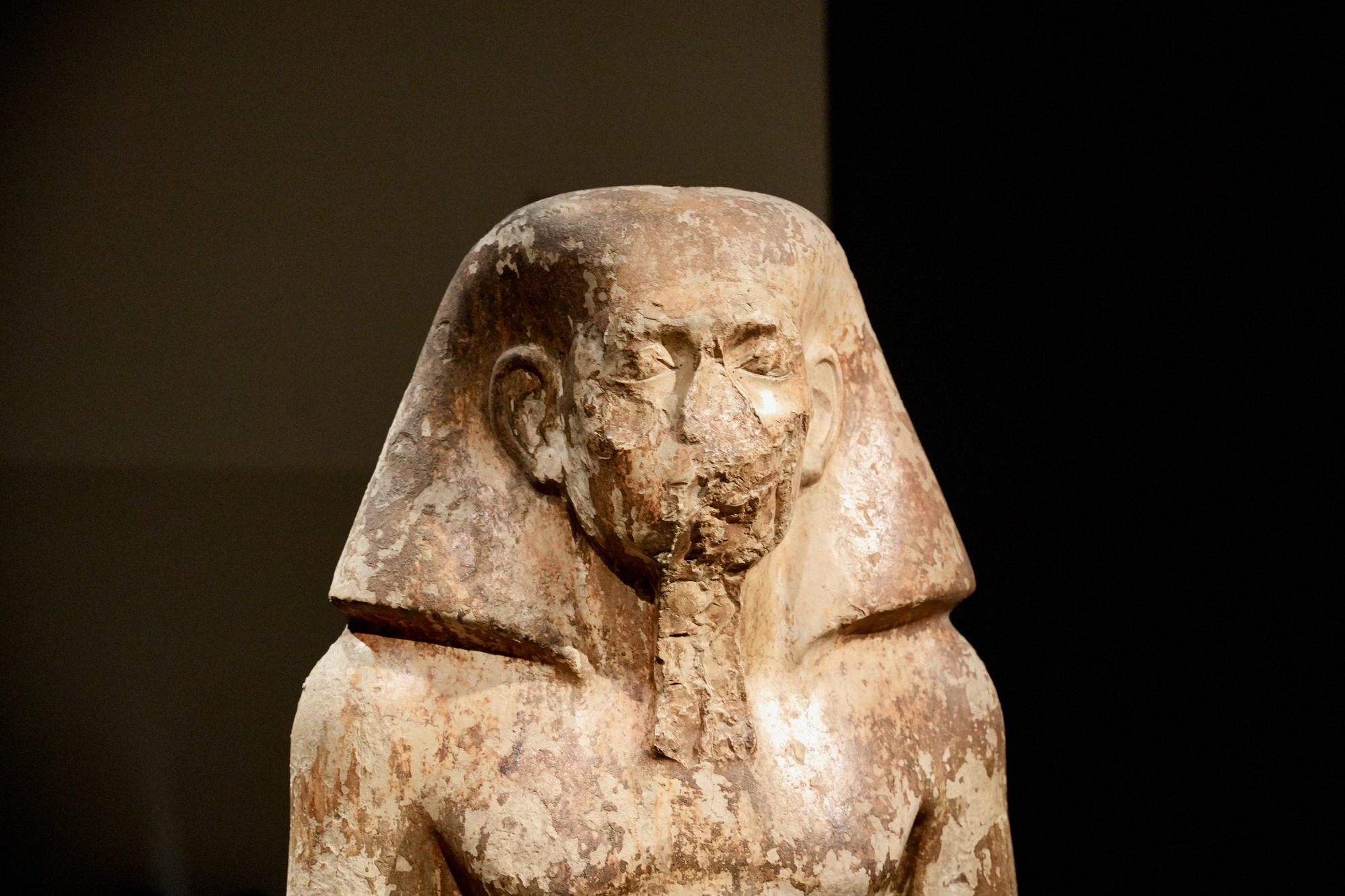
Egyptian Museum Turin
The Museo Egizio shows the Gallery of Kings with Ramesses II, the tomb of Kha and Merit and the rock temple of Ellesiya. Entry only with an online ticket, shorter hours on Mondays.