
Turin Cathedral
Cathedral of San Giovanni Battista and the Holy Shroud
Turin Cathedral is the Cattedrale di San Giovanni Battista from the late 15th century. The Holy Shroud lies in a chapel of the left aisle.
Contents
A Renaissance cathedral on medieval ground
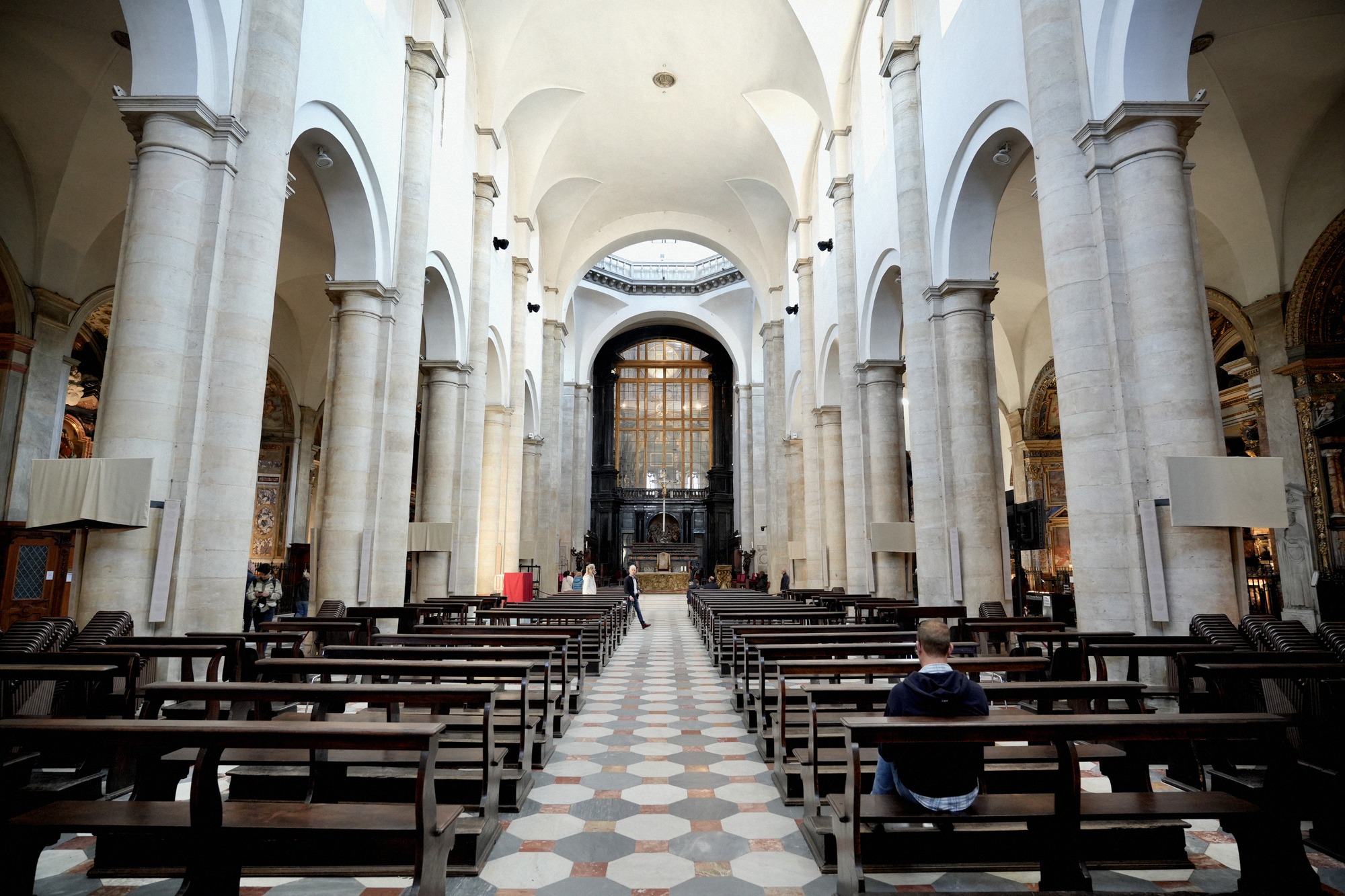
Turin Cathedral was built between 1491 and 1498 for Bishop Domenico della Rovere. The Tuscan architect Meo del Caprino designed it, and it is regarded as the first example of Renaissance architecture in Turin. It stands on the site of three medieval churches dedicated to the Saviour, John the Baptist and Mary. The facade is clad in white and has three portals, which set it apart from the brick buildings common in the city at the time.
The bell tower was completed in 1469 and raised by Filippo Juvarra in 1720. Inside, the cathedral is a basilica with three aisles, a Latin cross plan and Gothic elements. At the second altar of the right aisle stands a polyptych of the cobblers' confraternity by Martino Spanzotti and Defendente Ferrari.
The Shroud in the cathedral
The Holy Shroud lies in the last chapel of the left aisle, under the Royal Tribune. It is kept in a conservation case inside a large metal box, so you do not see the cloth directly. In front of the chapel window there are benches and kneelers, and screens along the left aisle show an image of the cloth. Volunteers in purple jackets help on site.
You do not need to book. During Masses and celebrations, however, the chapel is closed to visitors, so plan your visit outside those times.
The cloth is taken out of its case only at public expositions. There is no fixed rhythm, because the Pope decides. The owner is the Holy See, to which Umberto II bequeathed it.
A copy of the cloth is displayed in the Chiesa di San Lorenzo on Piazza Castello. The Museo della Sindone is at Via San Domenico 28, about ten minutes on foot from the cathedral, and is open daily 9-12 and in the afternoon during the cathedral's hours.
The Cappella della Sindone
Guarino Guarini designed the dome and oversaw construction until his death in 1683. It links the cathedral with the Palazzo Reale. Side stairs at the end of the presbytery lead up to it. The altar by Antonio Bertola has two fronts, one facing the palace and one facing the cathedral. The Shroud lay on this altar from 1694 to 1993.
A fire broke out in the chapel on the night of 11 to 12 April 1997. It has been accessible again since 27 September 2018, but only through the Palazzo Reale: it is part of the route through the state rooms, and you need a Musei Reali ticket. The Shroud itself is not in the chapel but in the cathedral.
Practical information
The cathedral cannot be visited during Masses. The diocesan museum is in the crypt.
Frequently asked questions
Can I see the Shroud in the cathedral? +
When is the next exposition? +
Do I have to book the Shroud Chapel? +
How do I get from the Cappella della Sindone in the Palazzo Reale to the cathedral? +
Nearby
Palazzo Reale
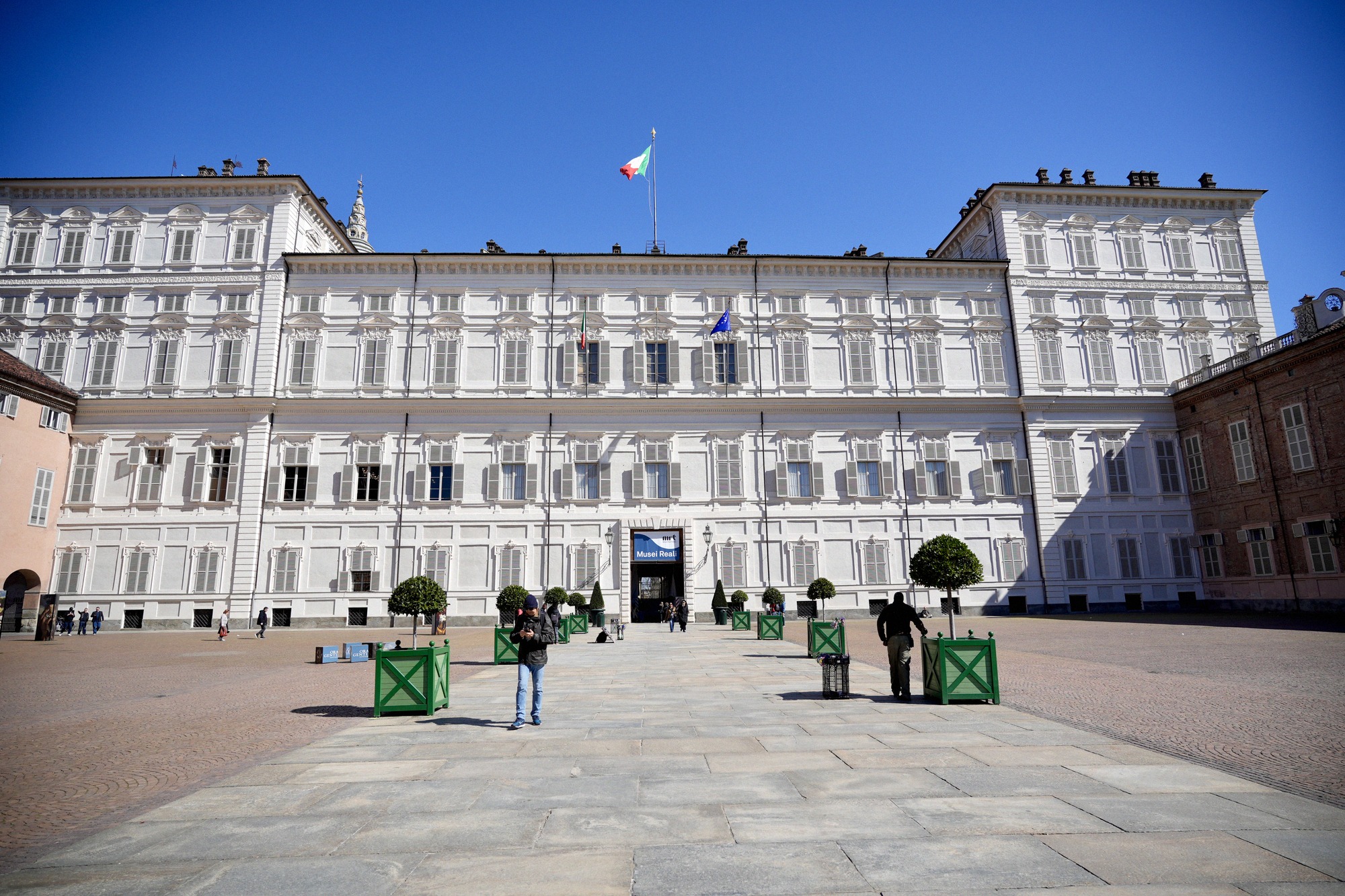
The Palazzo Reale was the residence of the House of Savoy. One ticket covers the state rooms, Royal Armoury, Galleria Sabauda and a section of the Museum of Antiquities, and includes the Cappella della Sindone.
San Lorenzo
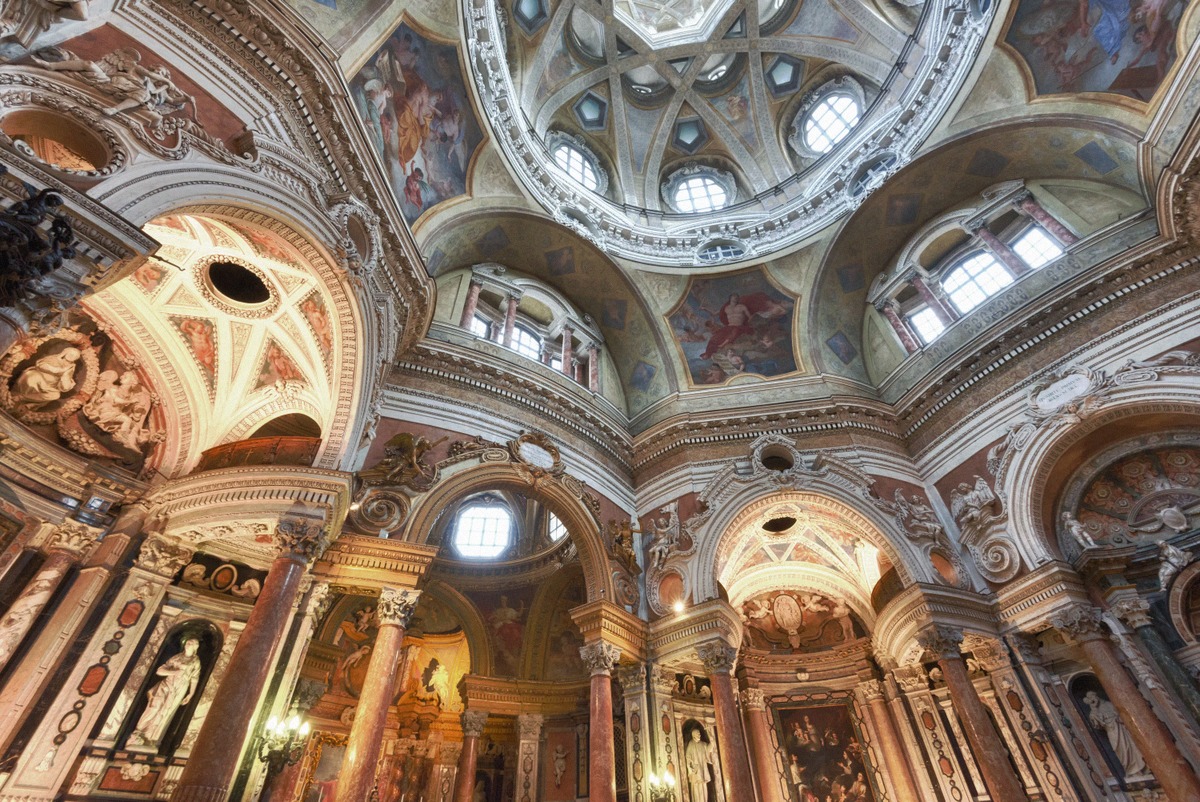
The Real Chiesa di San Lorenzo on Piazza Castello has a dome by Guarino Guarini in which eight pairs of crossing ribs form a star.
Palazzo Madama
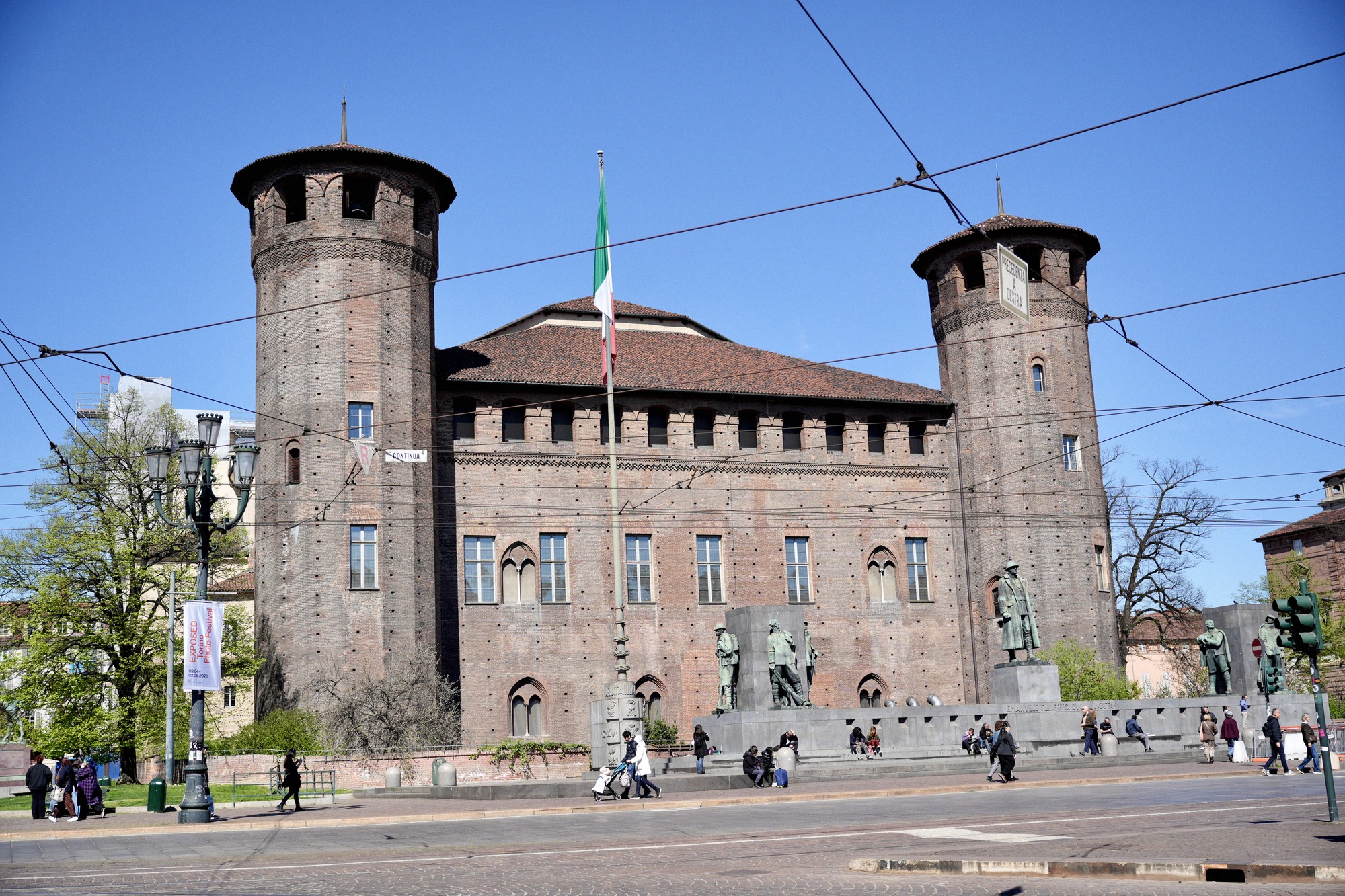
Palazzo Madama stands in the middle of Piazza Castello. It joins a medieval fortress built over a Roman gate to Juvarra's Baroque facade and houses the Museo Civico d'Arte Antica.
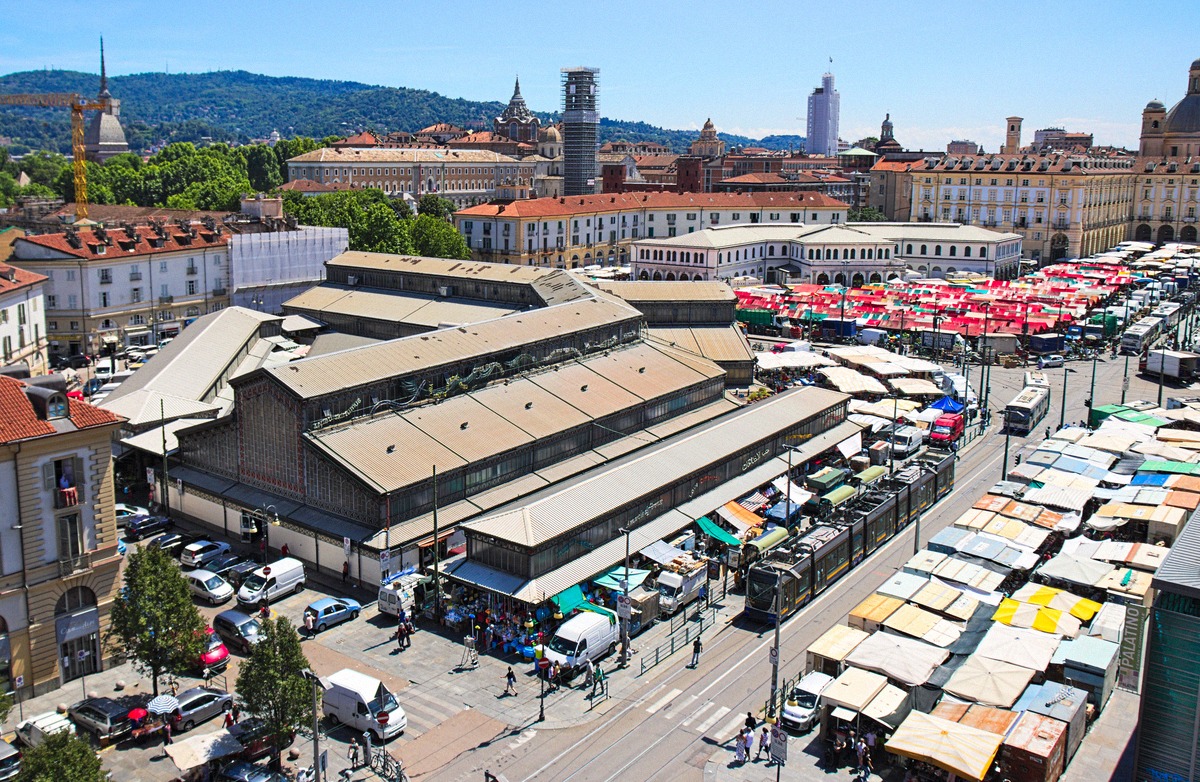
Mercato di Porta Palazzo
The Mercato di Porta Palazzo on Piazza della Repubblica is described as the largest open-air market in Europe. The Balon flea market and the Mercato Centrale are next door.
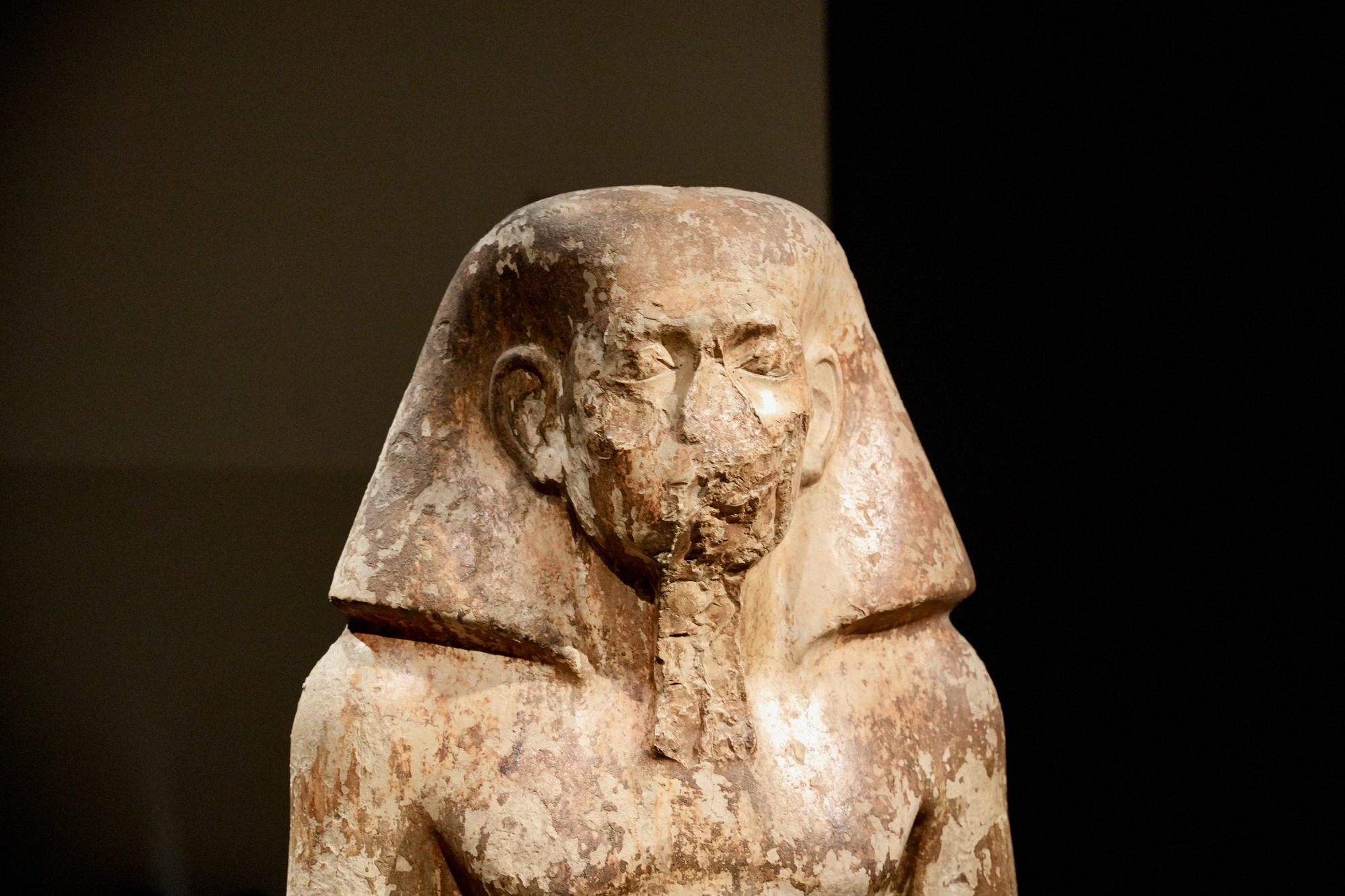
Egyptian Museum Turin
The Museo Egizio shows the Gallery of Kings with Ramesses II, the tomb of Kha and Merit and the rock temple of Ellesiya. Entry only with an online ticket, shorter hours on Mondays.
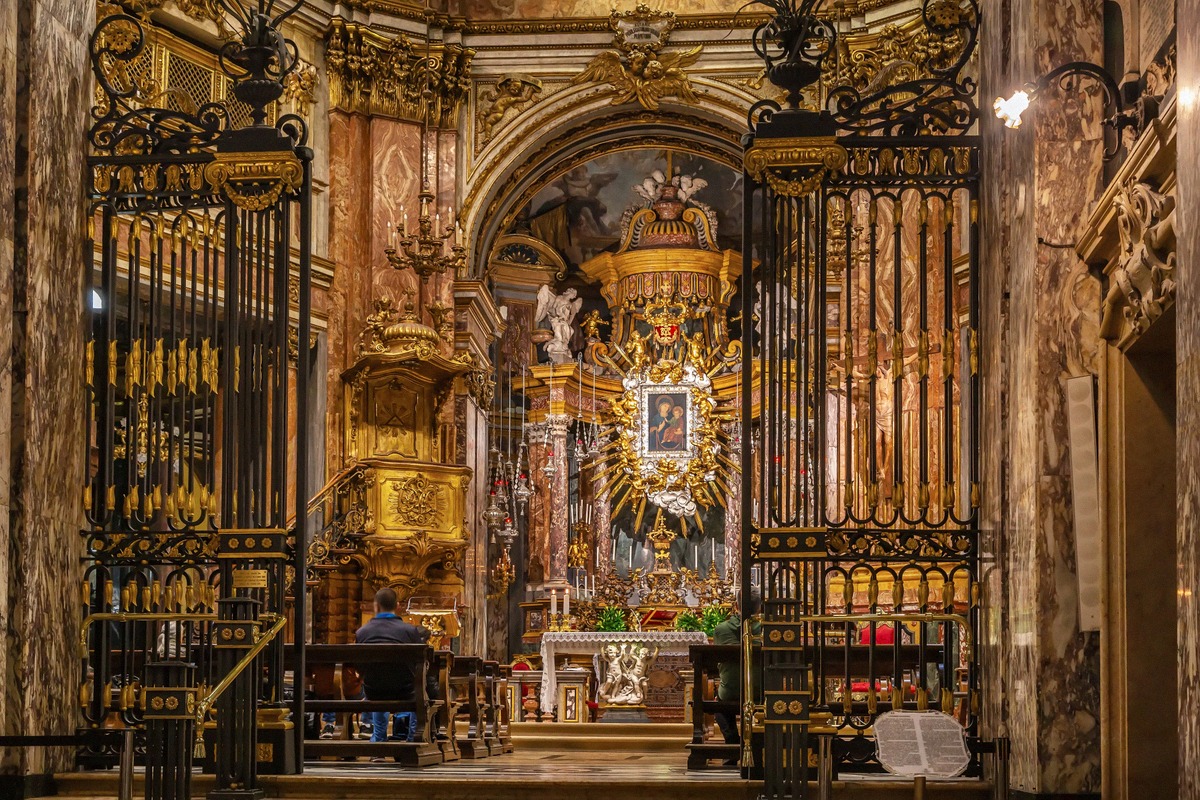
Santuario della Consolata
The Santuario della Consolata is Turin's Marian shrine: Guarini's hexagon, Juvarra's high altar, a Romanesque tower and a venerated icon.